
- The real & lived culture of Durban
A Walking Tour Like No Other
Experience South Africa’s largest and most authentic African market with the people who bring it to life.
- Our Walking Tours
Discover the Markets of Warwick
Join thousands of visitors who’ve experienced the culture and beauty of our market tours.
Private Tour
Enjoy a hands on, cultural immersion exploring the Markets of Warwick. Facilitated around your specific interests.
Group Tour
Explore all nine markets and dive deep into the culture, hustle and history of the Durban’s Warwick Junction.
Educational Tour
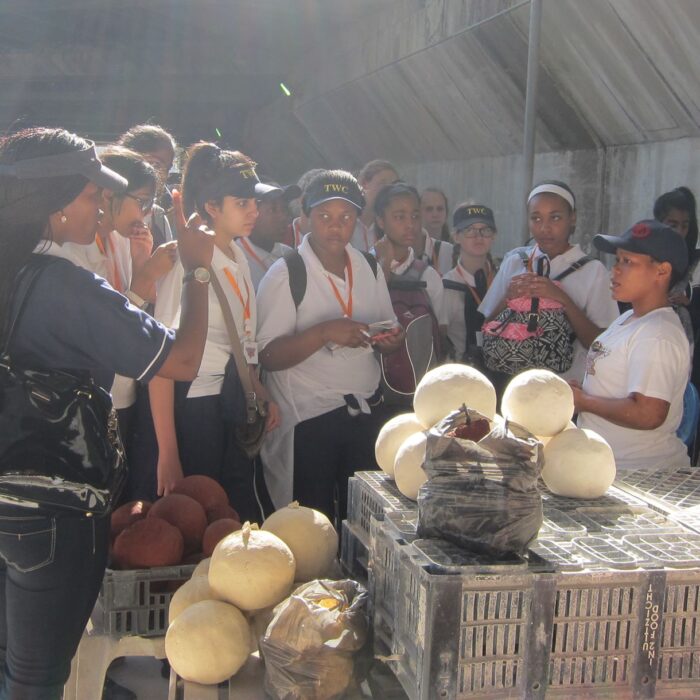
A living classroom giving students firsthand experience of their syllabus. Each group is led by a community guide and a safety marshal.
- Culture, Tradition & Heritage First-Hand
9 Distinct African Markets
Discover the nine interconnected markets of the Warwick Junction, where every turn offers a vibrant glimpse into Durban’s rich culture, history, and everyday life.
Bovine Head Market
Savor a unique taste of Zulu tradition and discover a cultural ritual that has been cherished and adapted across generations.
Herb Market
Meet knowledgeable traditional African healers and explore a wide variety of herbs and remedies.
Bead Market
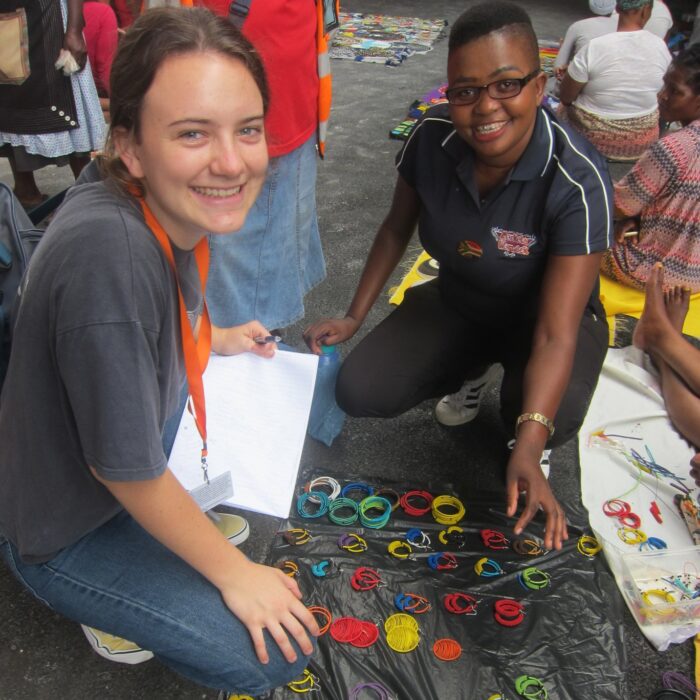
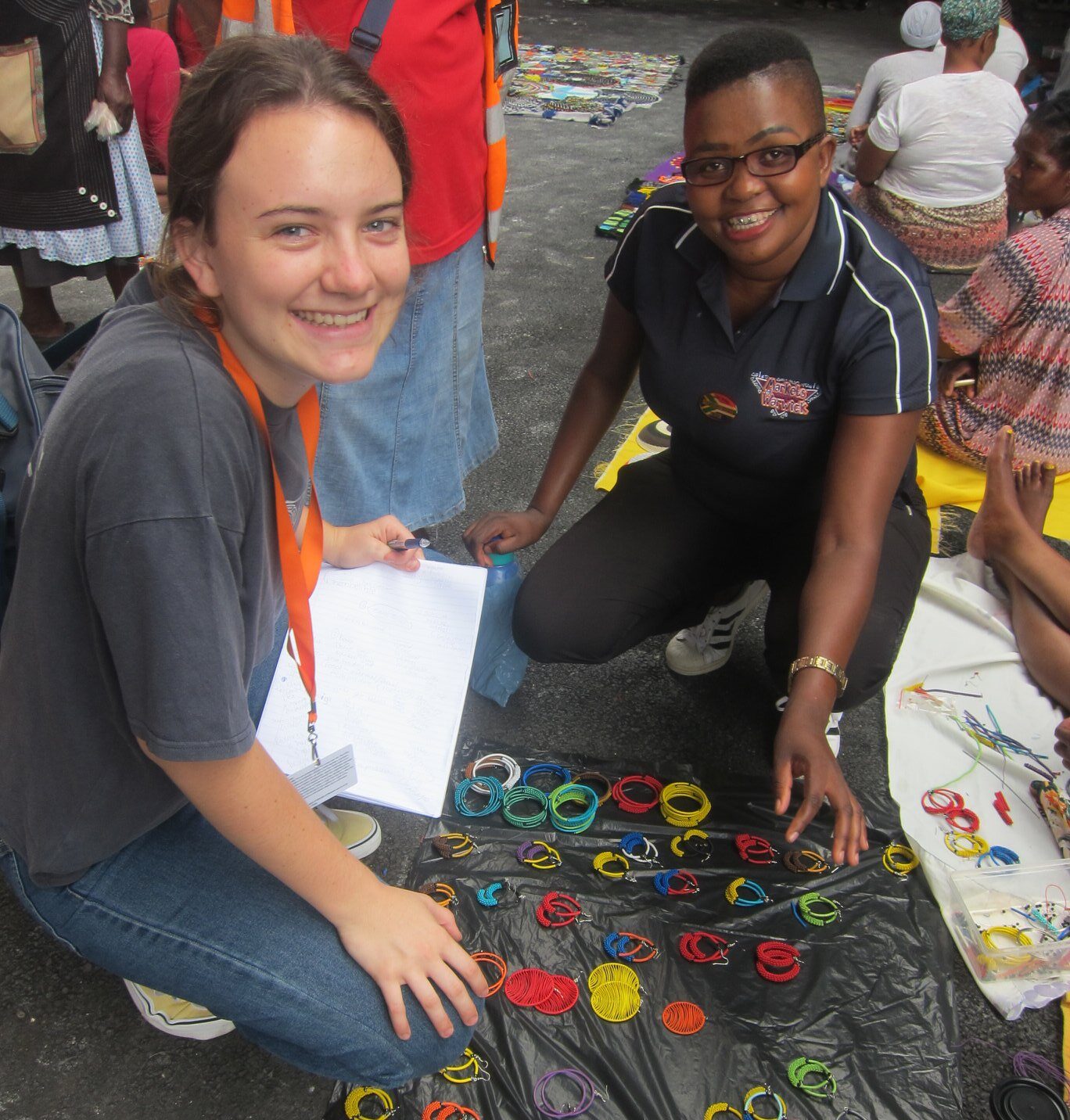
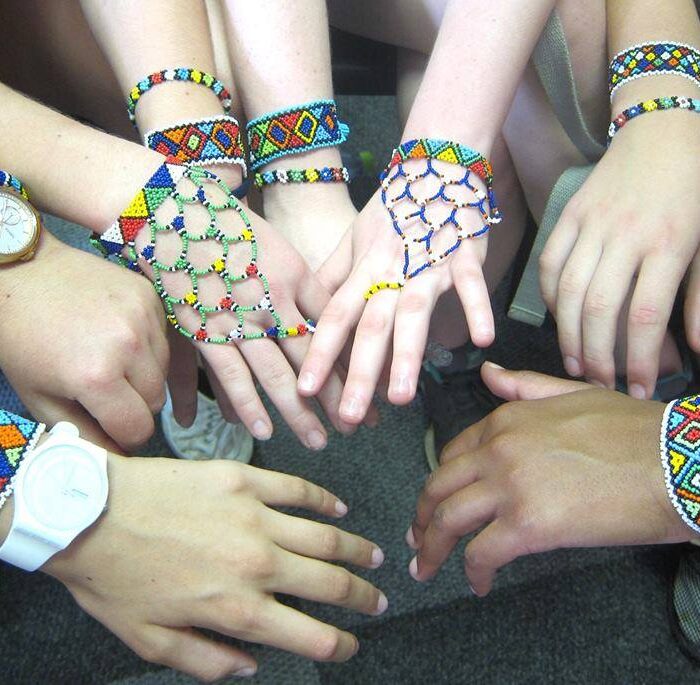
Open only on Fridays, this is your chance to see intricate Zulu beadwork brought to life as women craft and sell their creations right before your eyes.
- Unparalleled local insight
Community-Led Tours
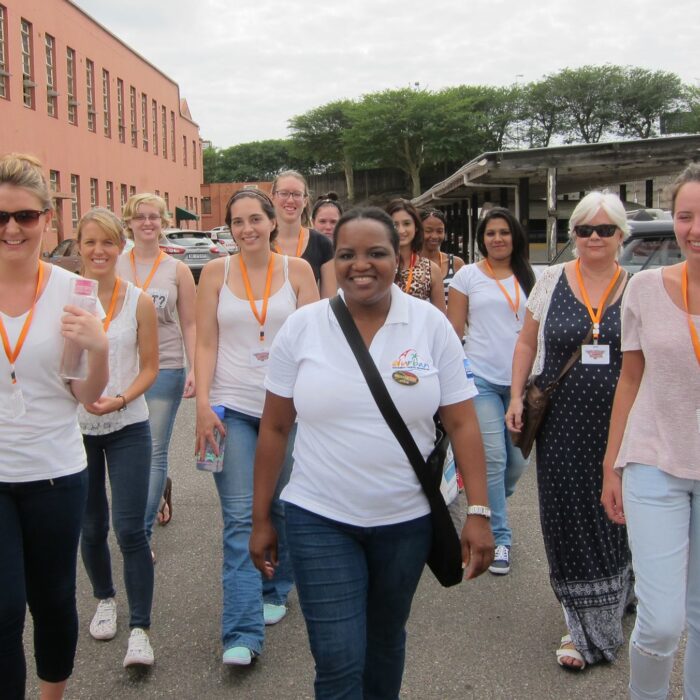
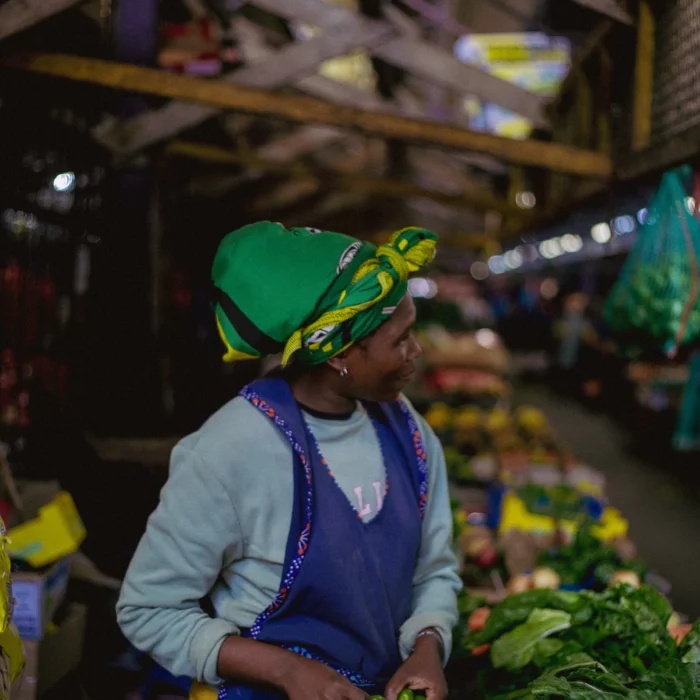
Guided by actual traders with deep, multi-generational roots in the market and shaped by their lived experience. As they lead you through the spaces they know intimately, they share stories, insights, and culture that no guidebook could ever capture and no other experience could truly replicate.
A tour that not only will change the way you see the world but will also have meaningful impact on the lives of others.
+27 (0) 31 309 3880
- Who we are
Meet Your Guides
More than just guides, they’re seasoned traders who know the markets inside out, turning every step of your journey into a safe, lively, and unforgettable experience packed with authentic local stories

Thembelihle Nyawo
Tour Guide
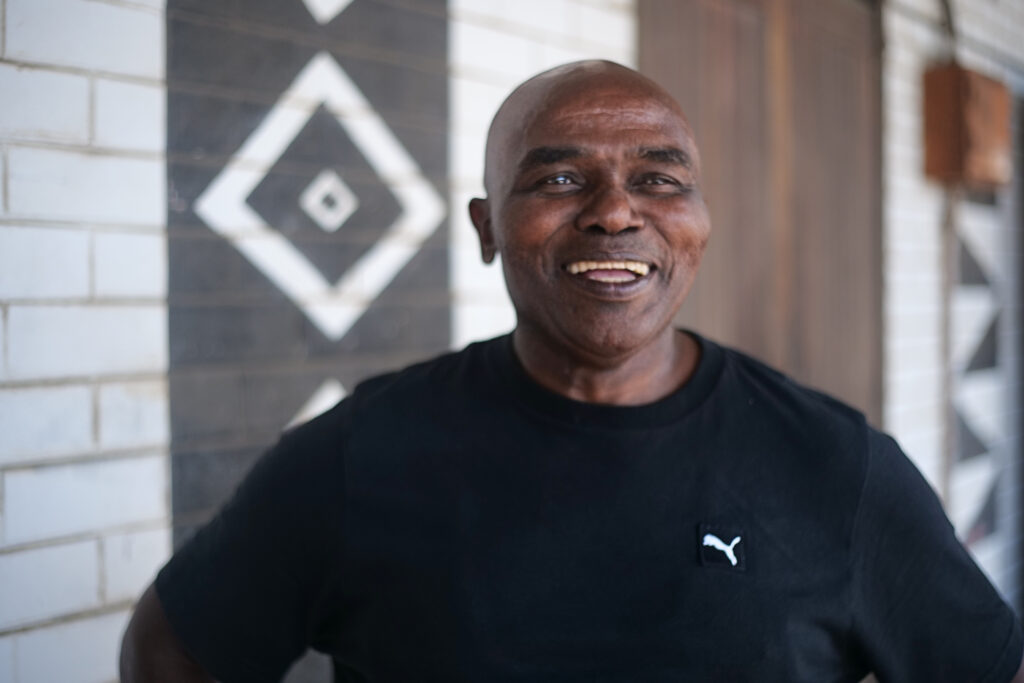
Patrick Ndlovu
Tour Guide

Nomzamo Sabela
Tour Guide

Toe Shozi
Tour Guide
- Why Choose us
A Top-Rated Cultural Experience
We offer unique walking tours with local expertise and countless unforgettable moments designed just for you.
Expert Guides
Our tour guides are traders who work at the markets, offering you unparalleled local insights.
Authentic Cultural Experience
Immerse yourself in the culture and customs of the market, from traditional African delicacies, beadwork, and attire.
Supports the community
Your participation directly benefits the traders and community rather than a third party.
Custom Packages
We offer tailor made packages suited to your preference and availabilities.
- Reviews
Don't just take our word for it...
Hear what our visitors have to say! Whether you are an overseas visitor or a curious local the markets are an unforgettable & fascinating experience.
What an amazing experience. I learnt so much , saw things I had never seen and originally from Durban. The community has done so much. It is an experience I would tell many to do because I was just blown away by the knowledge Toe had. Her kindness and patience was outstanding. Her knowledge and passion for what she does was inspiring. I learnt so much and really feel that more South Africans and locals should go on this experience. Just to learn about our different cultures and the community. I have gone on many tours in different parts of the world and honestly this was my absolute favourite. Love, love, loved it. Highly recommend it.
Beauts Cape Town, South AfricaI grew up in Durban, as did my mother, but both of us learnt so much. The warmth and kindness of our guide and the friendly welcome we received from all the traders made it so special. My mother was struggling to keep up due to her age so Linhle customised our experience, allowing my mother to rest at Aunty Pam's Kitchen while my daughter and I shopped. We were able to do a shorter tour so as not to leave my mother alone for too long.
Tracy Brisbane, AustraliaThis tour is a must-see! Super local and educational experience! With my awesome guide Lilhe I visited all Warwick markets, learn a lot about the Zulu culture, talked with the sellers, took amazing pictures, and tried some of their delicacy such as cooked cow head that Ive found delicious. For a tour like this you definitely need a guide so you can feel comfortable and enjoy the experience. Really a must while visiting Durban!
Mona Belgrade, Serbia- Photo Gallery
Come & See For Yourself
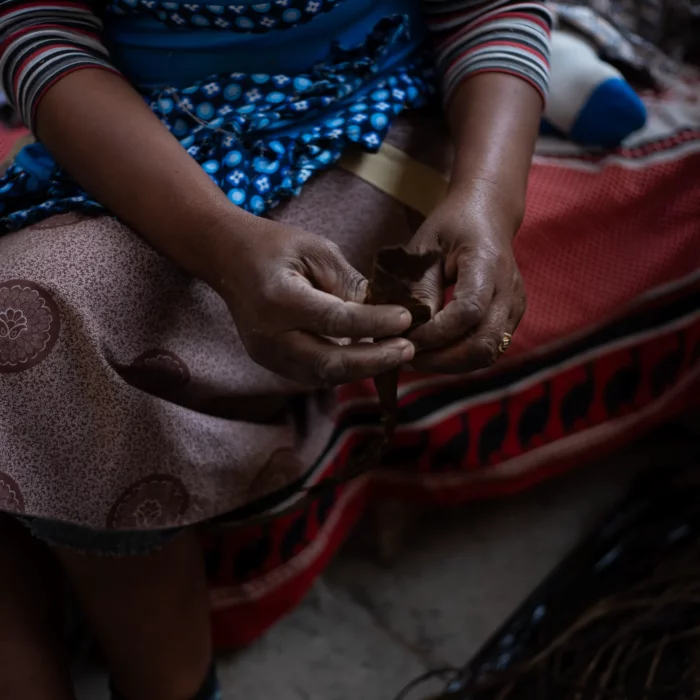
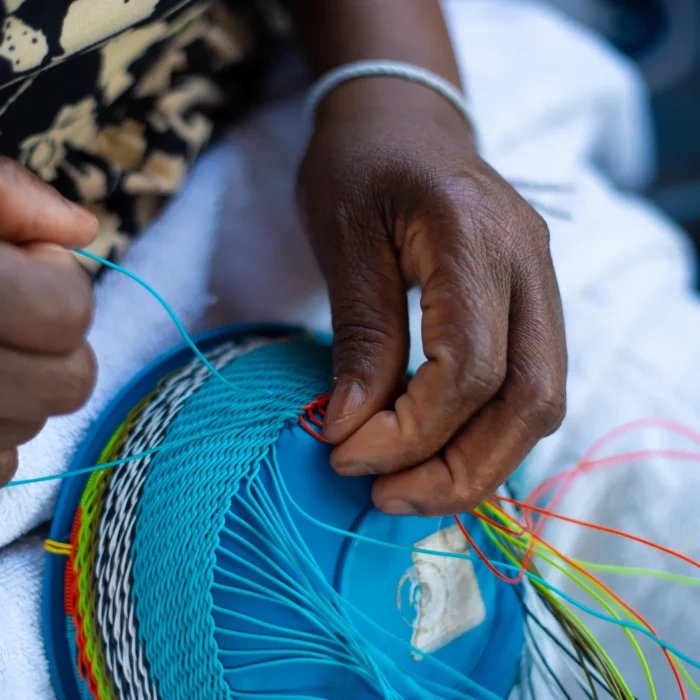
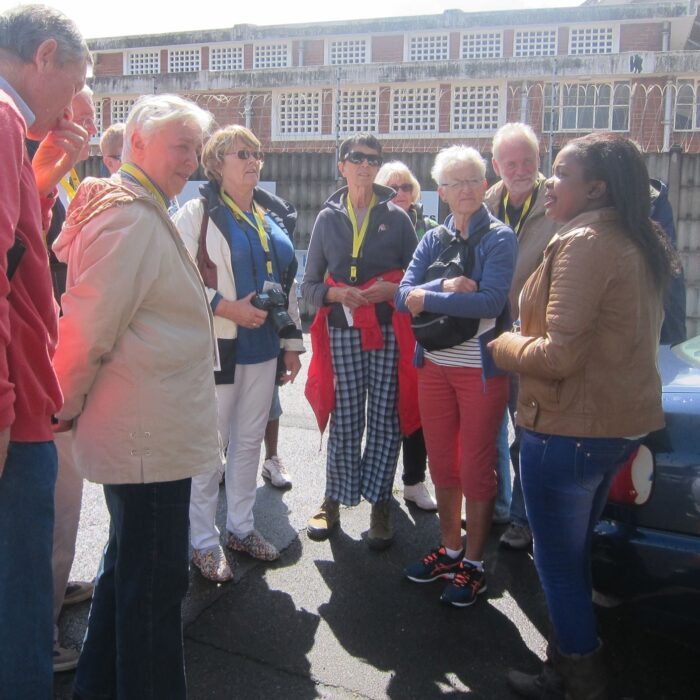
Enjoy our photo gallery filled with incredible moments from our tours, showcasing the adventure, beauty, and excitement of the markets.







- the history & culture of durban
The Significance of the Warwick Junction
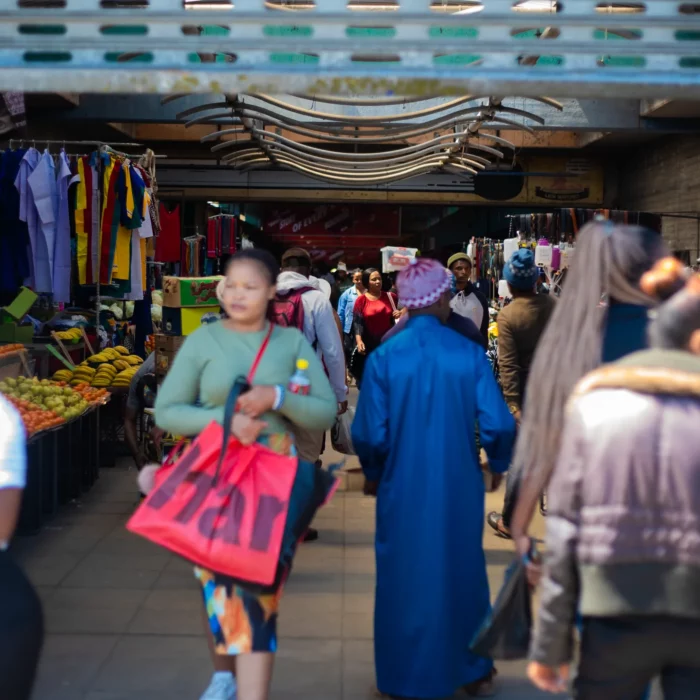
The Warwick Junction is situated at the heart of Durban and is the primary public transport interchange in the city. On an average day the area accommodates almost 500,000 commuters, and at least 6000 informal traders. Given the confluence of rail, taxi and bus transport, this area has always been a natural market for informal traders.
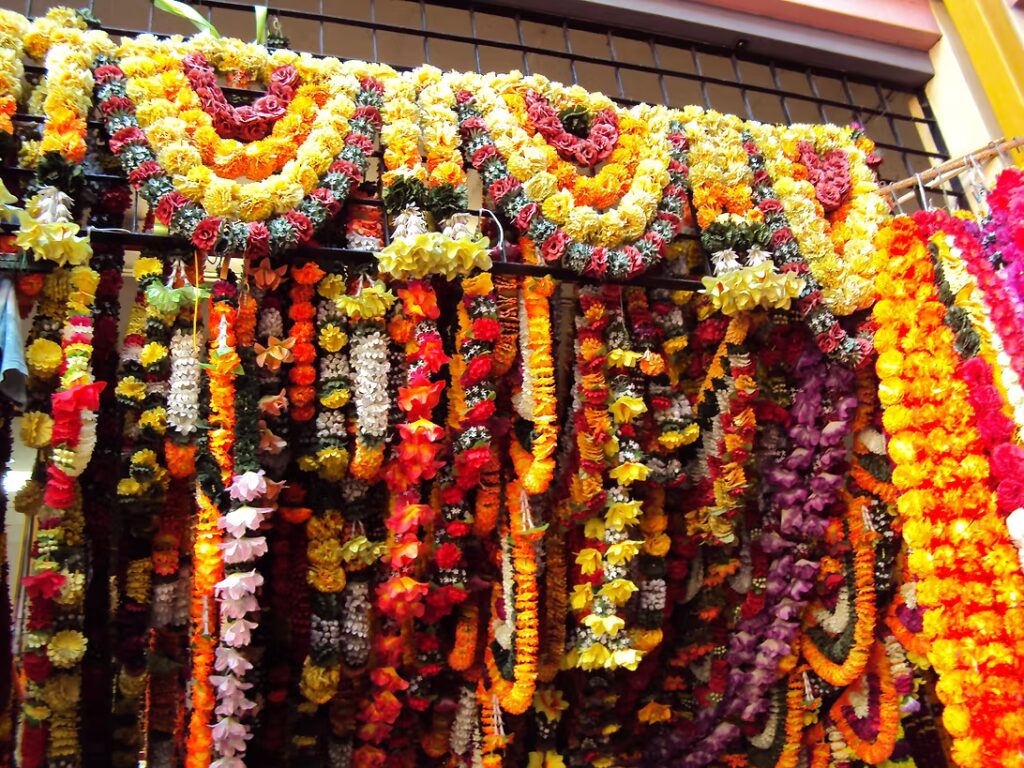
Currently Warwick is the only informally structured market in a public space of this magnitude, and thus establishes itself as the single most authentic African market that South Africa has to offer. Meet and greet local traders of the 9 distinct Markets of Warwick. The products available vary from beadwork, traditional arts and crafts, traditional cuisine, fresh produce, music and entertainment merchandise, clothing, accessories and traditional medicine.
Got questions? We have answers!
Get the answers you need to plan your perfect walking tour from booking details to tour highlights.
All public tours start at the Victoria Street Market (Fish Market entrance). You will receive a detailed map and guide contact number in your booking confirmation email.
Yes! The markets are a sensory delight for kids. However, the environment is busy and can be loud. We recommend private tours for families with young children to allow for a more flexible pace.
The tour runs for approximately 2–3 hours, depending on the group size and level of engagement at each market.
Absolutely. Safety is our priority. Our tours are led by well-known local guides who are respected members of the community. We stick to established routes and have an impeccable safety record.
Wear comfortable walking shoes as we cover a fair amount of ground. We also recommend a hat and sunscreen.
We recommend that you bring cash so that you can purchase items from vendors at the market.
The Markets of Warwick Walking Tours were established by local traders themselves. Many of our guides have lived and traded in the markets, offering first-hand insight into the culture, history, and daily life of the area.
Yes! In all our walking tours there are opportunities to taste traditional foods and support local traders by purchasing goods directly from the markets. You can also book a private tour and contact us in advance to share any preferences or specific interests, so we can tailor the experience to you.
Yes, booking in advance is essential. You can contact us at: +27 (0) 31 309 3880 or send us an email at admin@aet.org.za
You can book your walking tour directly through our website by selecting your preferred tour type, date, and group size. Once payment is completed, you’ll receive confirmation with meeting details. Schools, universities, and educational organisations must contact us directly to arrange tailored educational tours and group coordination.
The Markets of Warwick Walking Tours offer private tours, group tours, and educational tours. Contact us to find out more.
To help us respond quickly and accurately, please include your preferred date, number of guests, tour type (private, group, or educational), and any specific interests such as food, culture, or history. Let us know about accessibility needs or special requests so we can tailor your experience.
Yes, but availability is limited. Contact us as soon as possible and we’ll confirm whether a guide is available.