Durban History
About Warwick Junction
Understanding Durban’s Informal Economy and Traditional Trade History and Bridging the gap between the formal and informal city through community-based tourism.
The Significance of Warwick Junction
To appreciate the diversity and vitality of the markets today, it is important to know the historical significance of the Warwick area in Durban. During the apartheid regime, which was steeped with racial discrimination, the Warwick area was neglected and abandoned. Indian indentured labourers began trading on the street sidewalks in the Warwick Junction area. This community of traders built the Badsha Peer Shrine which remains an iconic architectural and spiritual landmark on Brook Street.
With the gradual influx of black African traders into Durban. Warwick became a central hub of commerce and trading activity, despite constant harassment by the apartheid police, the “blackjacks”. In the late 1980s informal traders’ economic contribution was finally recognized by the Municipality and traders were granted permission to remain in specifically allocated trading locations on the streets of Durban. Since then, trader committees have been established and work alongside the ethekwini Municipality to maintain the markets of Warwick which support informal traders and their 70,000 – 100,000 dependents.
The Markets of Warwick Walking Tours was established in 2010 by local traders to give World Cup tourists the opportunity to explore this vibrant part of Durban. The tours allow for traders to showcase their merchandise and celebrate the vibrant energy of their markets with others. These tours are made possible through the assistance of an NGO called Asiye eTafuleni, and demonstrate how local informal workers can be successfully incorporated into urban spaces, benefiting not only the informal workers and their livelihoods, but the local tourism industry as well.The Markets of Warwick tour project is a social entrepreneurial initiative established to showcase the Warwick Junction precinct as a prime example of inclusive urban design and economic vitality.
Our PartnerAsiye eTafuleni
(Translates from isiZulu to “bring it to the table”)
Asiye eTafuleni Provides technical expertise to assist informal workers acquire skills and understanding of urban development processes. The NGO also serve as a “learning hub” for those interested in urban planning and the informal economy. The overall objective of Asiye eTafuleni is to provide comprehensive design and facilitation services to membership-based organizations of the urban working poor (particularly women) to encourage unique partnerships that result in appropriate and enabling urban infrastructure. It is intended that this objective will raise the voice and visibility of informal workers and result in contextually responsive city place-making that secures urban livelihoods.
Explore the 9 Markets
Meet the traders across nine distinct Durban markets, from Bovine Head to the Herb Market on a local-led walking tour.

Lime & Impepho Market
Two distinctive products define this market: umcako (white mineral lime) and ibomvu (red ochre) mined near iNdwedwe, and impepho (traditional incense) sourced from KwaZulu-Natal and the Eastern Cape. Izangoma apply umcako/ibomvu to the skin to mark training stages; both are also used in paint and pottery. Impepho is commonly burned for ancestral rites.
Victoria Street Market
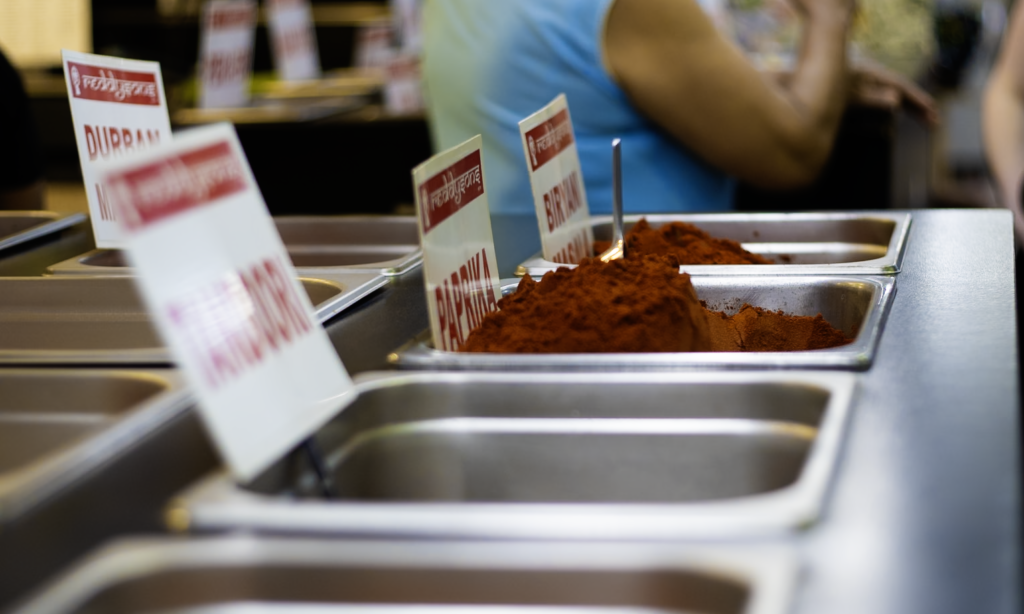
Dating to the late 1800s, this colourful indoor bazaar now houses about 180 small shops with spices, jewelry, leather and skinned goods, arts & crafts and beadwork. It’s the official starting point for Markets of Warwick Tours and a vivid meeting of Indian and African trading traditions—ideal for souvenir hunting before or after your walk.

Early Morning Market
Affectionately called “The Mother Market,” this century-old landmark anchors Warwick with 670+ stalls selling fresh produce, spices, flowers, and even live poultry. Traders source goods from farms and the municipal bulk market; agile barrow operators keep the aisles moving. Linger for colour, bargaining and the scent of fresh coriander—this is Durban’s heritage market in full voice. (The market’s survival owes much to trader organisation that helped protect livelihoods during proposed redevelopment.)
Brook Street Market
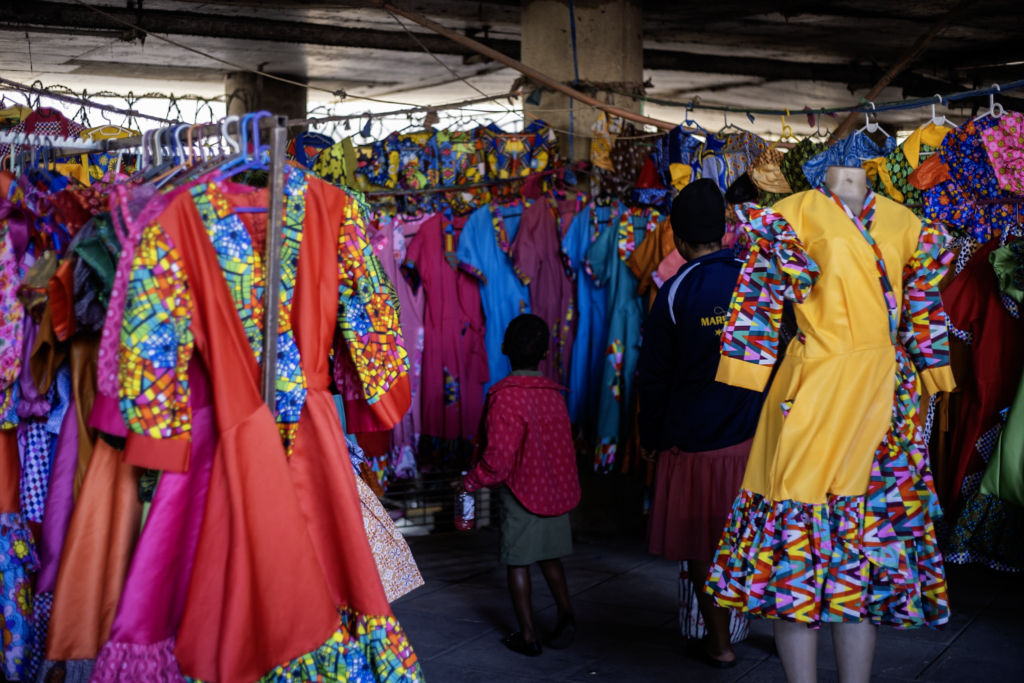
Colourful and festive, Brook Street Market sits alongside the iconic Badsha Peer Shrine. Shop bright pinafores, Zulu hats, bags, and household goods under a broad, shaded roof; then grab a local meal from the upstairs food court. During the shrine’s annual veneration ceremony, trading pauses by mutual agreement—one of many ways the market and shrine co-exist in respect.

Berea Station Market
A showcase of formal–informal collaboration, Berea Station thrums at commuter peaks. Browse Zulu spears and shields, religious attire, shoes, belts, wallets and bags while trains come and go. Privately managed in partnership with traders, the concourses are a busy, living retail corridor that reflects Durban’s layered cultures and daily movement.
Music Bridge
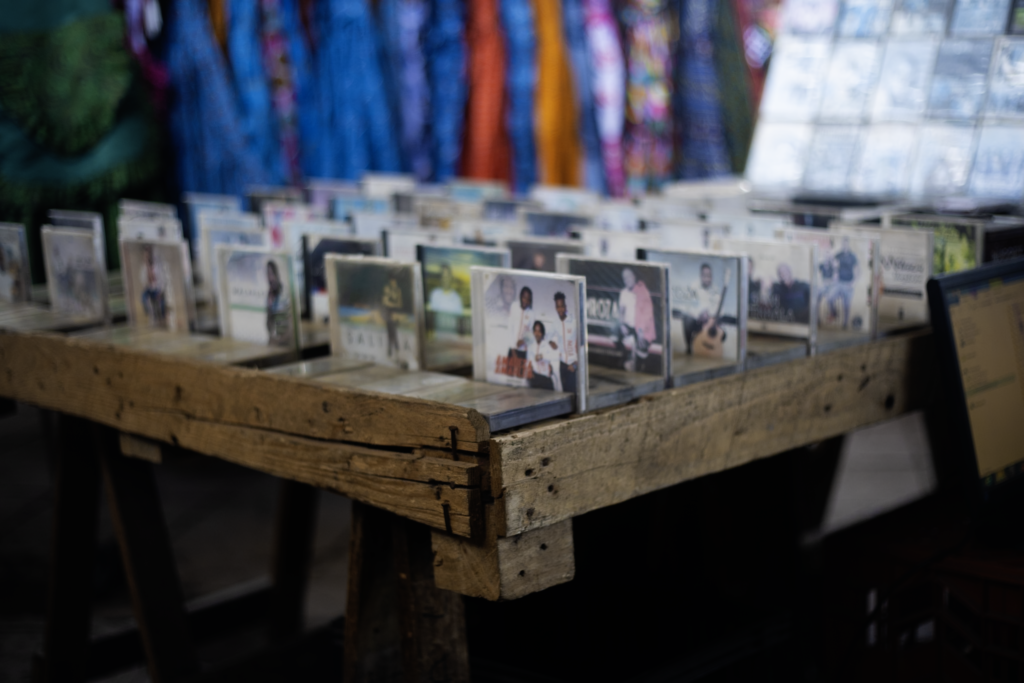
Named for its pulsing soundtrack, the Music Bridge links key trading areas. Once a no-go route, a new steel footbridge and the permanent presence of traders—selling music, scarves, hats and shoes—helped increase visibility and reduce crime. Design details, like open balustrades, make the space more welcoming and watchful. It’s a quick snapshot of how urban design and informal trade can animate a city.
Herb Market
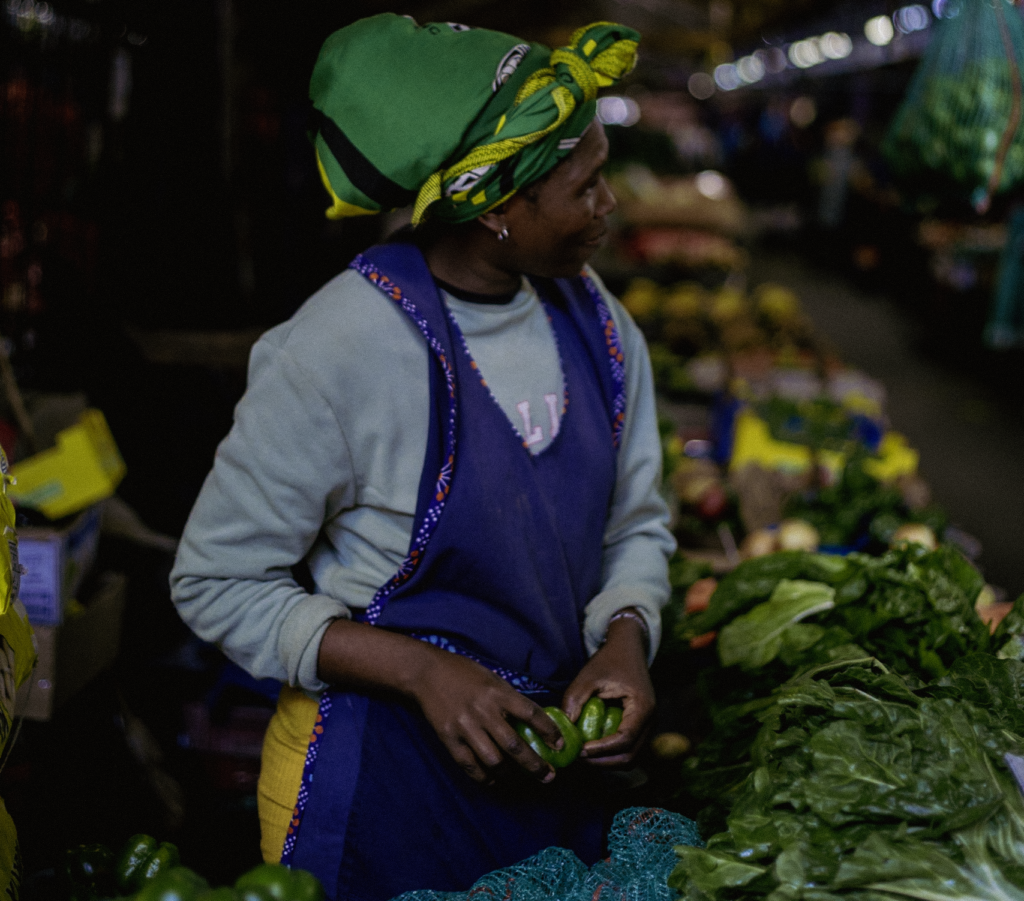
One of South Africa’s most visually captivating traditional medicine markets. You’ll meet traditional healers, see herb grinding, and hear how remedies are made and used. Purpose-built shelters, nightly lock-up, and a link to the Music Bridge support safer, better working conditions for about 1,000 traders and assistants. The market often functions like a community pharmacy: bring a complaint; get guidance and a remedy.
Bovine Head Market
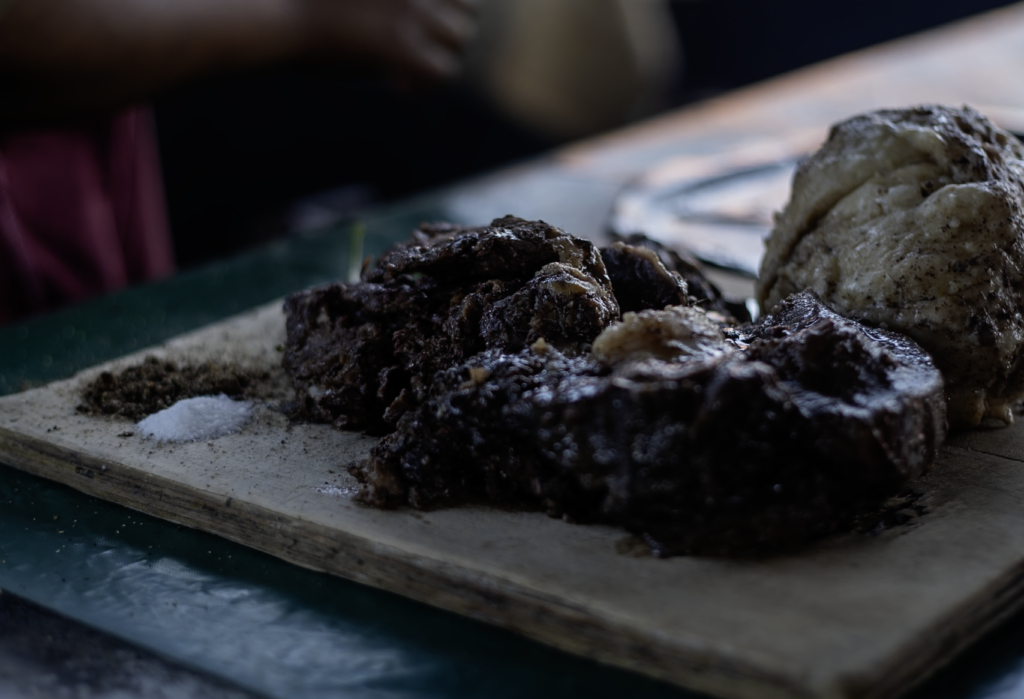
Watch skilled women prepare a beloved Zulu delicacy—bovine (cow) head—served with soft dumplings (steamed bread) and seasoned broth. Once cooked on the sidewalks near the Early Morning Market, this specialty is now prepared in a purpose-built space run largely by women traders. Tradition meets today: trolley operators collect the heads from local butcheries; traders skin, cleave, and simmer the meat until tender; then serve it on wooden boards with salt and chilies. It’s hearty, communal, and unmistakably Durban.

Bead Market
Traded primarily on Fridays, the Bead Market brings coastal artisans and makers together. Find beaded jewelry, hats, bags, shoes and traditional wear—or sit for hair braiding finished with beads while you watch. It’s a brilliant place to shop gifts and meet the hands behind the craft.
FaQ
Q: What is the historical significance of Warwick Junction in Durban?
A: Warwick Junction is historically significant as the central point for Durban’s informal economy history. The area’s growth, initially established by Indian indentured laborers and later joined by Black African traders, created the largest concentration of informal trading in the eThekwini Municipality.
This dominance was cemented through successful policy advocacy: traders organized and secured official recognition from the Municipality, which granted permission for them to operate in specifically allocated locations in the late 1980s.
Economically, the markets are critical: they function as a major source of income, directly supporting between 70,000 and 100,000 dependents. This substantial figure underscores the area’s essential role in sustaining the livelihoods of a massive portion of the local community.
Q: When were the Markets of Warwick established and by whom?
A: The Markets of Warwick history is complex, as the area evolved naturally rather than being built at a single time. The informal trading structure was largely established and solidified in the mid-to-late 20th century, growing from local vendors converging at the transport junction. The market’s modern structure, composed of nine specialized markets, is the result of decades of growth led by the local Durban traders themselves.
Q: How and when did the Markets of Warwick Tours begin?
A: The Markets of Warwick Tours were formally established in 2010. This initiative was driven directly by local traders to provide visiting World Cup tourists with the opportunity to explore this vibrant part of Durban. The tours were designed to showcase the traders’ merchandise and celebrate the energy of their markets, and they are supported by the technical expertise of the NGO, Asiye eTafuleni (AeT).
Q: What is the role of the markets in the history of Zulu traditional culture?
A: The markets are a vital preserver of Zulu traditional markets heritage and culture. Areas like the Traditional Herb Market (Muthi Market) and the Bead Market represent centuries-old Zulu trade and healing practices. The market environment keeps these traditions alive and accessible, offering a direct link to authentic Zulu traditional culture in a modern urban setting.
Q: How does the market reflect the history of local Durban traders?
A: The Market is a living testament to local Durban traders history. It demonstrates the journey of thousands of entrepreneurs who built their livelihoods independently. Every market stall has a story rooted in family tradition and hard work, reflecting the historic reliance on the informal economy as a key driver of community sustenance and growth.
Q: What unique historical items or practices can be found at the Markets of Warwick?
Answer: The sheer scale of traditional trade found here holds great historical significance. You can find practices like traditional African healing remedies at the Muthi Market, authentic beadwork patterns passed down through generations, and traditional Zulu cuisine, all of which represent enduring historical and cultural practices that are rarely seen together elsewhere in a city environment.
Q: How has the area surrounding Warwick Junction changed over time?
A: The Warwick Junction has transformed from a simple intersection into a bustling economic metropolis. The Markets of Warwick history shows a transformation alongside Durban’s urban growth, evolving to meet the changing needs of the local population while consistently serving as the major hub for commuters and traditional goods.